

You’re probably reading this between jobs. The phone keeps ringing, a quote is half done, one customer wants a certificate, and another is waiting on an invoice. That pressure is normal in electrical work. Running the day from memory, text threads, and scraps of paper is what turns a busy schedule into missed margin.
The weak points are usually small. A material item gets left off the quote. Job photos stay on one tech’s phone. A lead comes in after hours and no one follows up. A crew gets the wrong address or walks in without the latest scope. None of that feels major on its own, but it hits profit, cash flow, and customer trust fast.
Good electrician apps help you tighten the parts of the business that usually slip first. That might mean job management and dispatch for a growing team, faster quoting for a solo operator, or better lead follow-up and visibility if work has gone quiet. If lead flow is part of the problem, it also helps to understand what strong digital marketing for electricians should do alongside your software stack.
The useful way to compare these tools is by the job they do in the business. Some are strongest at scheduling, quoting, invoicing, and keeping the office synced with the field. Some are better for service work. Others fit businesses juggling project work, multiple crews, or more admin.
That is the angle of this guide.
Each app is grouped by its primary function and called out for the kind of electrical business it suits best, from solo sparkies and small service teams to larger operations with office staff and several crews on the road. The goal is simple. Help you choose a system that fits how you work, not one that looks good in a feature list.
Table of Contents
- 1. ServiceTitan
- 2. Simpro
- 3. Housecall Pro
- 4. Jobber
- 5. Workiz
- 6. Service Fusion
- 7. FieldPulse
- 8. Fergus
- 9. Tradify
- 10. GrowTradie
- Top 10 Electrician Apps, Feature & Pricing Comparison
- Choosing the Right Tool to Power Your Business
1. ServiceTitan

Monday starts with three urgent callouts, a rescheduled install, and a tech asking whether the quoted price includes the breaker upgrade. If your office is checking one system, your field staff is using another, and pricing lives in someone’s head or an old spreadsheet, jobs slow down and margin slips.
ServiceTitan is built for electrical businesses that have outgrown patchwork admin. It puts dispatch, estimates, invoicing, customer history, and reporting into one operating system, which matters most for service-heavy companies with multiple techs on the road.
Where ServiceTitan earns its keep
ServiceTitan fits best under the Job Management category for larger residential service teams, busy maintenance operations, and electrical contractors trying to tighten control across office and field. If you are still a solo operator or running a very small crew, the overhead can be hard to justify. If you are booking enough work that missed details are turning into lost revenue, it starts to earn its keep.
The practical upside is consistency. The office books the job, the tech sees the same record in the field, and the invoice follows the same workflow back to admin. That cuts down on phone calls, re-entry, and pricing guesswork.
A few parts usually matter most:
- Shared job records: Techs and office staff work from the same customer notes, estimates, and job status.
- Pricebook control: Standardised pricing helps stop one electrician quoting off memory while another uses an outdated rate.
- Reporting for owners: You can track job values, close rates, and team performance without waiting until month-end to spot a problem.
- Sales workflow: Multi-option estimates can help service teams increase average ticket size on repair and replacement work.
The trade-off is clear. ServiceTitan takes time to set up properly, and smaller shops can end up paying for functions they will not use. It suits businesses that already have admin volume, dispatch pressure, and enough revenue at stake to justify implementation.
Best for established electrical service businesses that need stronger job management, tighter pricing discipline, and better visibility across a growing team.
It also helps to keep expectations in check. ServiceTitan can run the operational side of the business, but it will not solve weak lead flow by itself. If your calendar has gaps, pair it with a plan for content marketing for local businesses and the existing electrician digital marketing system rather than expecting one app to handle both operations and marketing.
2. Simpro

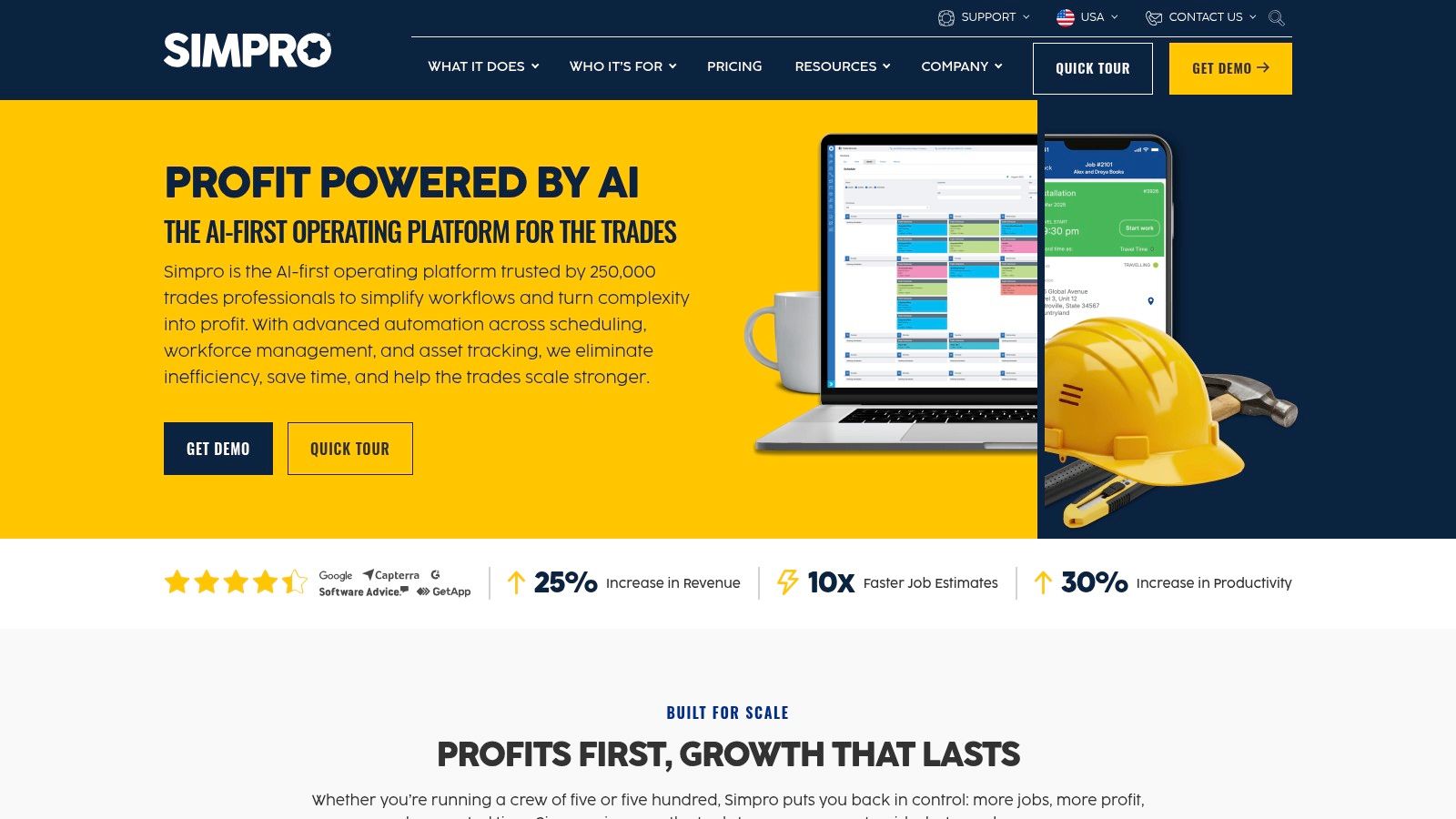
Simpro fits electrical businesses that have outgrown basic service software. If your week includes emergency callouts, scheduled maintenance, quoted install work, and multi-day commercial jobs, you need more than a simple booking app. You need one system that can keep estimating, purchasing, scheduling, and job costing tied together.
That is where Simpro tends to justify its price and setup effort.
It is a strong option for contractors running mixed service and project work, especially when material costs, prebuilds, and supplier pricing have a direct effect on margin. Simpler apps are often fine until the office is chasing variations, the field team is waiting on updated job details, and nobody trusts the job cost until after the work is finished.
Best for growing electrical contractors with mixed job types
Simpro is usually a better fit for businesses with a few crews, admin support, and enough workflow complexity to benefit from tighter control. It suits companies doing maintenance plus fit-outs, upgrades, or project-based work where quote accuracy and cost tracking matter as much as dispatch speed.
A few parts stand out:
- Detailed estimating: Prebuilds and supplier-linked items help quote larger or more complex jobs with less manual rework.
- Project and service coverage: You can run recurring maintenance and longer project work in the same platform without splitting operations across multiple tools.
- Stronger cost visibility: Purchasing, labour, and materials are easier to track against the job, which helps owners spot margin drift earlier.
The trade-off is implementation time. Simpro needs clean setup, clear processes, and someone in the business who will own the rollout. Without that, teams end up using half the system and still falling back to spreadsheets.
It is also not a lead generation tool. It helps you run work profitably once it is in the pipeline. If the bigger problem is inconsistent enquiry volume, pair operations software with a plan for content marketing that helps local trade businesses attract better jobs.
Best for electrical contractors that need one platform for service, projects, estimating, and job costing, but are prepared to put proper effort into setup.
3. Housecall Pro

Housecall Pro suits electricians who need to get organised fast and keep the office moving without a heavy rollout. It is usually a better match for residential service work than for mixed operations running larger projects, detailed cost tracking, or more layered estimating.
A common scenario is a small electrical business where the owner is still quoting jobs, the office is chasing confirmations, and techs are calling in for the next address. In that setup, simple wins. Housecall Pro keeps booking, dispatch, payments, and customer messages in one place, which cuts the usual back-and-forth.
Best for residential service businesses that need speed
This app fits best in the Job Management category for solo operators, owner-led shops, and small service teams that want cleaner day-to-day operations without taking on a bigger system than they will use. The visual pricebook, online booking options, review requests, and mobile workflow are practical for electricians doing switchboard upgrades, fault finding, installs, and repeat residential callouts.
The upside is adoption. Teams can usually start using it without a long setup period or a lot of internal training. That matters more than feature depth if jobs are short, volume is steady, and the main goal is getting from enquiry to payment with less admin.
The trade-off shows up as the business gets more complex.
If you need tighter job costing, stronger reporting across crews, or more control over larger commercial and project work, Housecall Pro can start to feel light. Pricing also needs a proper look because some capabilities sit on higher plans or add-ons. Quote the full operating cost before you commit, not just the entry price.
For a residential service electrician, a simple system used properly beats a powerful system nobody fully adopts.
Housecall Pro can also help keep customer communication consistent after the job, especially with reminders, follow-ups, and review requests. That supports repeat work and referrals. It does not solve lead flow on its own, though, so businesses that rely too heavily on platform tools still need a separate plan for keeping enquiries coming in.
4. Jobber
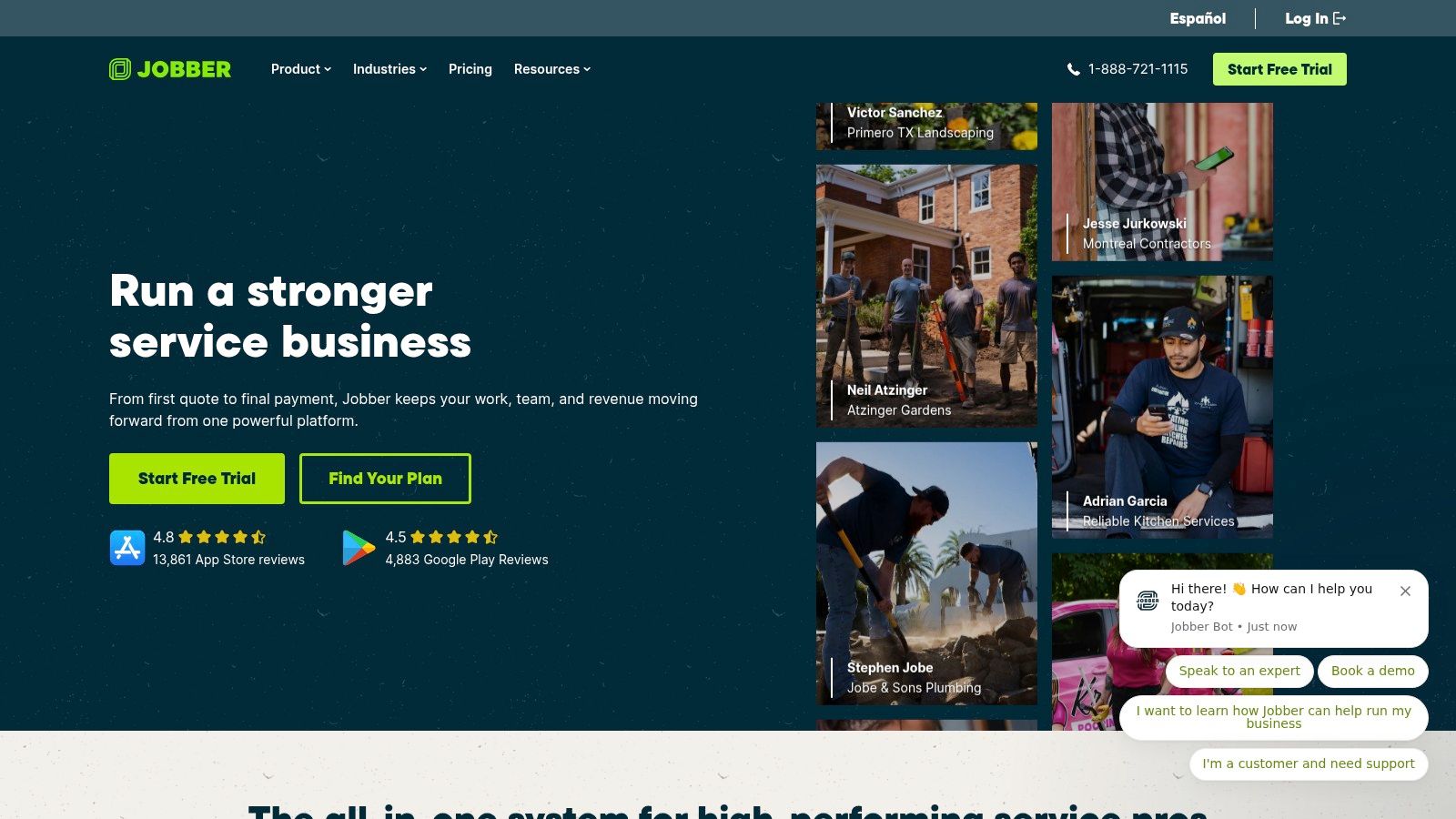
Jobber fits the Job Management category for electrical businesses that need more order in the office without buying a system built for a much larger operation. If quotes are sitting in one place, schedules in another, and invoices getting chased at night, Jobber fixes that kind of mess fast.
It covers the core workflow well. Quotes, scheduling, job details, invoicing, payments, and customer reminders are all handled in one system that small teams can usually pick up without a long rollout.
That matters for owner-led shops.
Jobber is a strong option for solo electricians, small crews, and service businesses with an office admin who needs a clear view of what is booked, what is completed, and what still has not been invoiced. It suits repeat residential work and smaller commercial jobs where speed, consistency, and fewer admin handoffs matter more than advanced project controls.
Best for small electrical businesses that need a steady operating system
The main selling point is predictability. Jobber does not ask a small electrical business to rebuild the whole company around the software. It gives you enough structure to run quoting, scheduling, and follow-up properly, without the overhead that comes with heavier platforms.
That is the trade-off too. As jobs get more complex, reporting requirements tighten, or multiple crews need tighter cost control, Jobber can start to feel limited. Shops doing long commercial projects, detailed variations, or deeper job costing usually hit that ceiling sooner.
A practical way to size it up:
- Best for: Solo operators, growing residential service businesses, and small teams that need day-to-day control.
- Works well for: Quoting quickly, keeping the schedule organised, and getting invoices out without extra admin drag.
- Less suited to: Larger electrical businesses that need stronger project management, deeper costing, or more control across several crews.
If your business problem is disorder, Jobber is often a good fix. If your business problem is complexity, choose with care because you may outgrow it.
5. Workiz
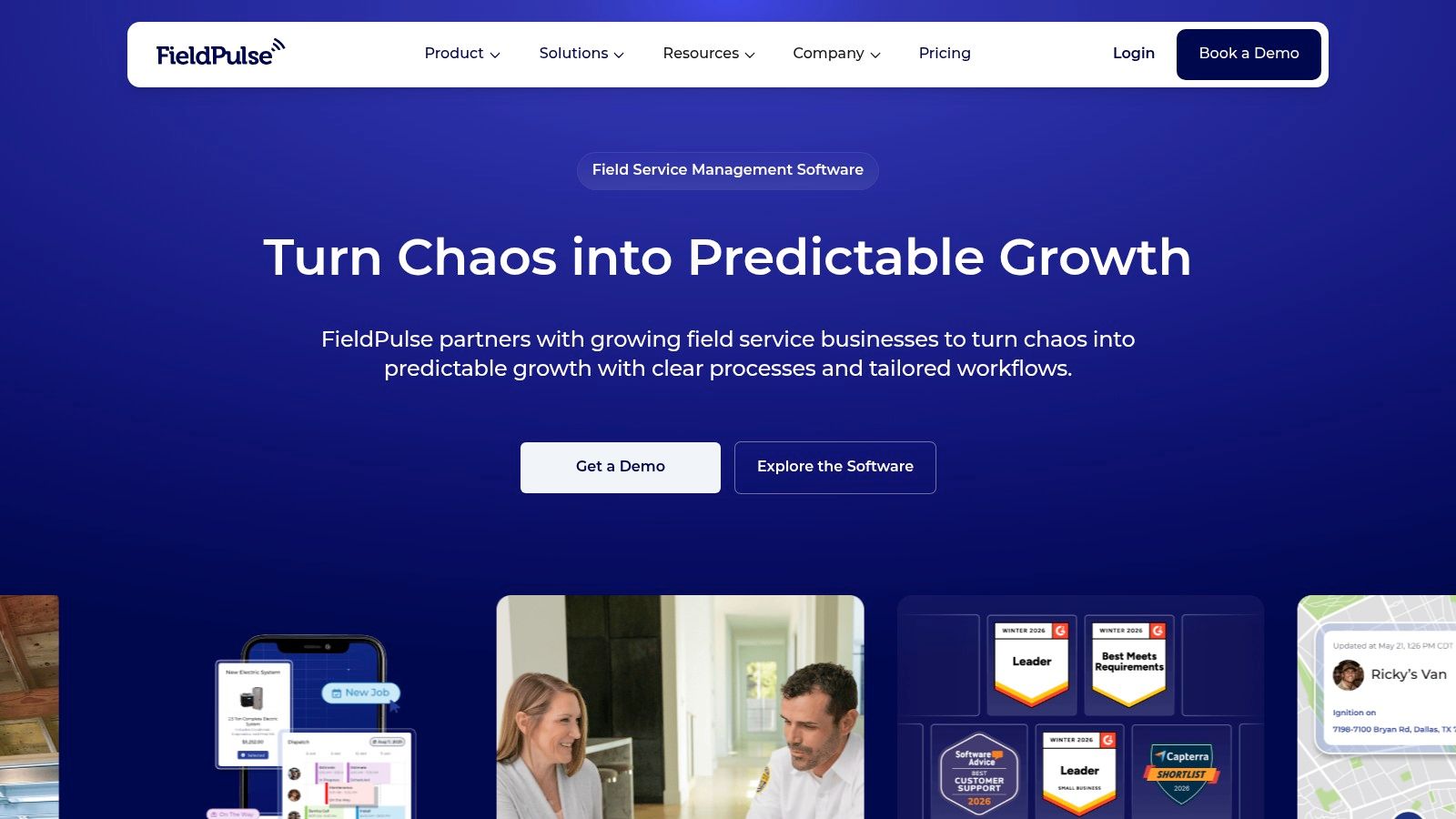
Workiz leans hard into communication. That’s its real edge. Plenty of electrical businesses lose time not because the schedule is bad, but because calls, texts, missed messages, and booking details are spread across too many places.
Workiz brings phone, messaging, scheduling, estimates, invoices, and online booking closer together. For service-based electricians, that can reduce friction between the customer, the office, and the tech.
Communication is the selling point
The built-in local number, call tracking, texting, and VoIP setup make Workiz different from a lot of standard field service tools. If you’ve ever had leads come into one phone, customer updates on another, and dispatch handled somewhere else, you already know why that matters.
It’s especially useful for shops that want fewer third-party tools. Instead of bolting on separate call software, you can keep more of the customer communication in one system.
What I’d weigh carefully is contract detail and support responsiveness. Some businesses are fine with that trade-off. Others want absolute flexibility and straightforward month-to-month decisions.
- Best for: Residential and service-led electrical businesses that handle high call volume.
- Useful feature set: Integrated communication, booking, dispatch, and reporting.
- Potential drawback: Higher tiers can shift the cost up once you need the stronger features.
This isn’t the app I’d pick for heavy commercial project management. It is one I’d shortlist if lead handling, call tracking, and office-to-field communication are the weak points.
6. Service Fusion
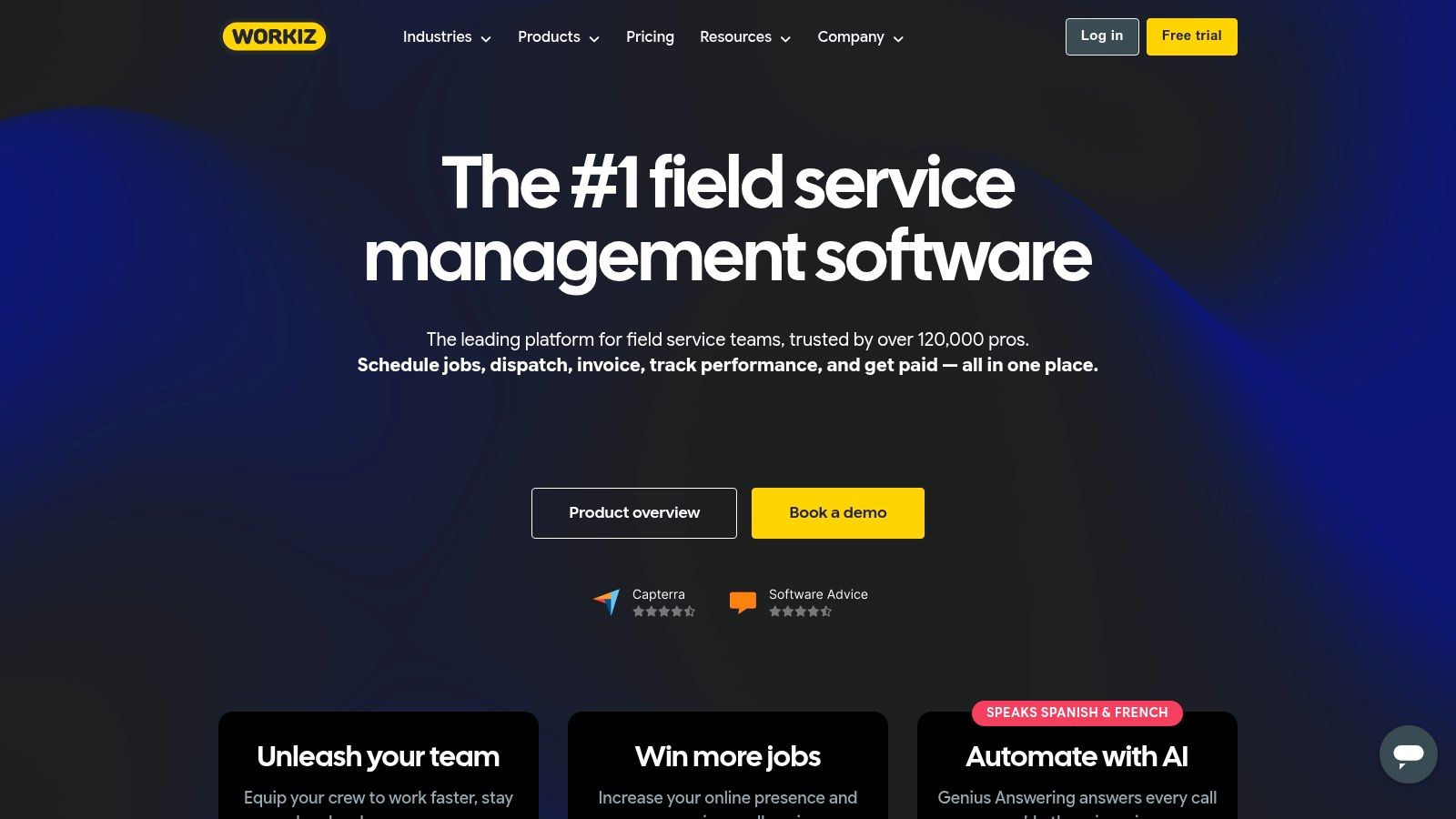
Service Fusion solves a very specific headache. User limits. If you’ve got office staff, apprentices, subcontractors, or extra admin support who all need access, per-seat pricing can get annoying fast.
That’s where Service Fusion stands out. Its unlimited-user model can make a lot of practical sense for electrical businesses where multiple people need eyes on the same jobs.
Where unlimited users matter
The platform covers the basics well enough. Scheduling, dispatch, estimates, invoicing, payments, text alerts, inventory, and QuickBooks integration. For many contractors, that’s the core stack.
Its value isn’t just in features. It’s in how the pricing structure can work out better for multi-role teams. If you’ve held back account access because every user costs more, this kind of setup can remove that bottleneck.
The caution is in plan detail. Some functions sit on higher tiers or optional add-ons, so you need to confirm the exact workflow you need before signing up.
Don’t compare field service apps on headline pricing alone. Compare them on the setup your business actually needs to run day to day.
Service Fusion is usually a stronger fit for practical operators than for businesses chasing the most advanced analytics or enterprise controls. It’s built for getting the work through the pipeline, not for showing off a fancy dashboard.
7. FieldPulse
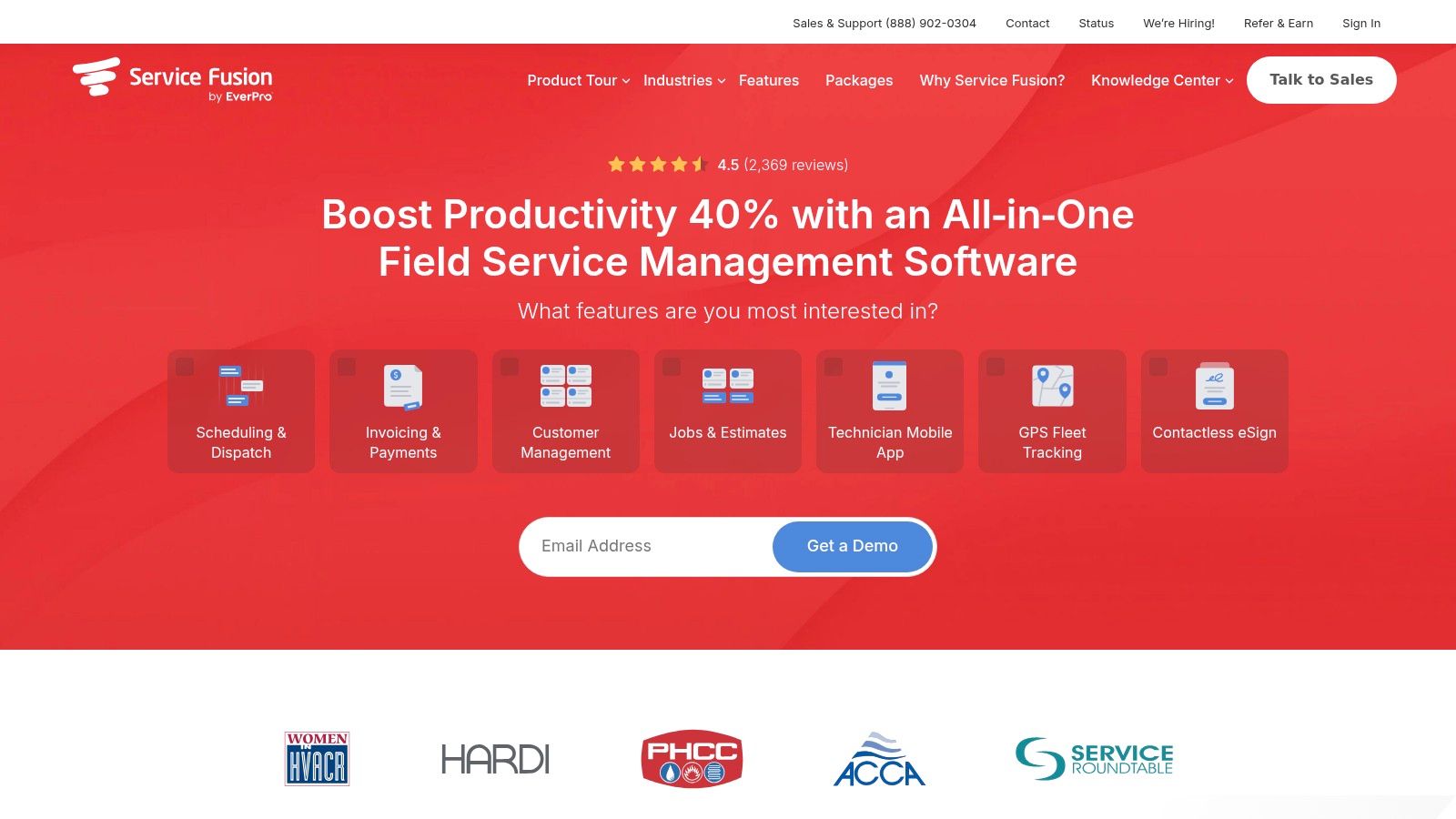
FieldPulse fits the electrical business that is done with paper, half-done spreadsheets, and missed follow-ups, but is not ready for a heavy rollout across a bigger team.
That middle ground matters. Some apps are built for mature service companies with office staff, layered permissions, and tighter processes already in place. FieldPulse is usually a better fit when you need to get the core workflow under control first, then add more structure as the business grows.
Best for small shops that need a practical first system
FieldPulse earns its place in the job management category because it covers the day-to-day work that tends to break first. Estimates, scheduling, customer records, invoices, job notes, and mobile access are all in the same system. For a solo electrician or a small crew, that can cut down the usual mess of texts, notebooks, and separate invoicing tools.
It also reaches further into team coordination than some entry-level options. Dispatching, GPS tracking, timesheets, and internal communication give you more control once you have techs in the field. That makes it a sensible option for shops that expect to hire, not just stay small.
The trade-off is cost visibility. If you want the fuller setup, pricing is not always as clear from the start as some electricians would like, so you need to go through the demo process and check exactly what is included.
My take is simple. FieldPulse is strongest for contractors who want one app to run jobs properly now and still have room to add staff later. If you already need advanced reporting, deeper project controls, or more complex back-office workflows, you will probably outgrow it faster.
8. Fergus
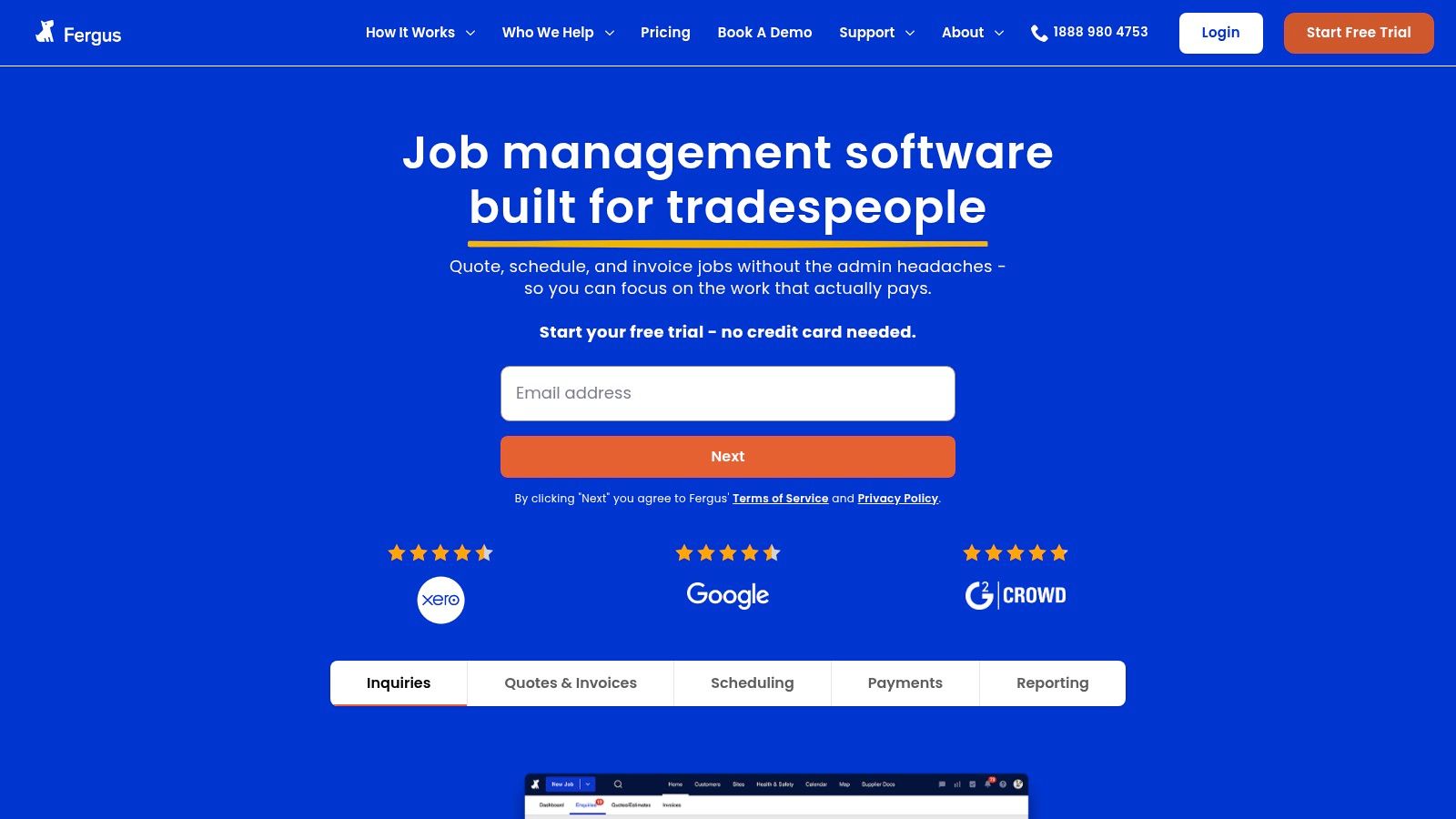
Fergus keeps things simple, and that’s a strength. A lot of owner-operators don’t need an all-singing system. They need jobs tracked properly, quotes turned into invoices quickly, and supplier pricing pulled in without endless manual entry.
Fergus is built for that kind of trade reality. Monthly pricing is straightforward, setup is lighter, and the feature set stays close to what small contractors use.
Best for straightforward trade admin
Digital job cards, scheduling, live job tracking, quoting, invoicing, supplier imports, and payment collection cover the main bases. For a small electrical business, that can be enough to tighten up operations without creating another admin burden.
Where Fergus usually works well:
- Solo sparkies and small crews: Fast to adopt and practical on site.
- Quote-heavy service work: Easy to move from estimate to invoice.
- Basic control needs: Better than paper and spreadsheets, without enterprise weight.
Where it won’t stretch as far is complex project accounting, deep integrations, or bigger-company workflow controls. That’s not a flaw. It just means you should buy it for what it is, not for what you hope it might become.
For electricians who want a clean monthly tool with no lock-in feeling, Fergus is one of the easier apps to justify.
9. Tradify
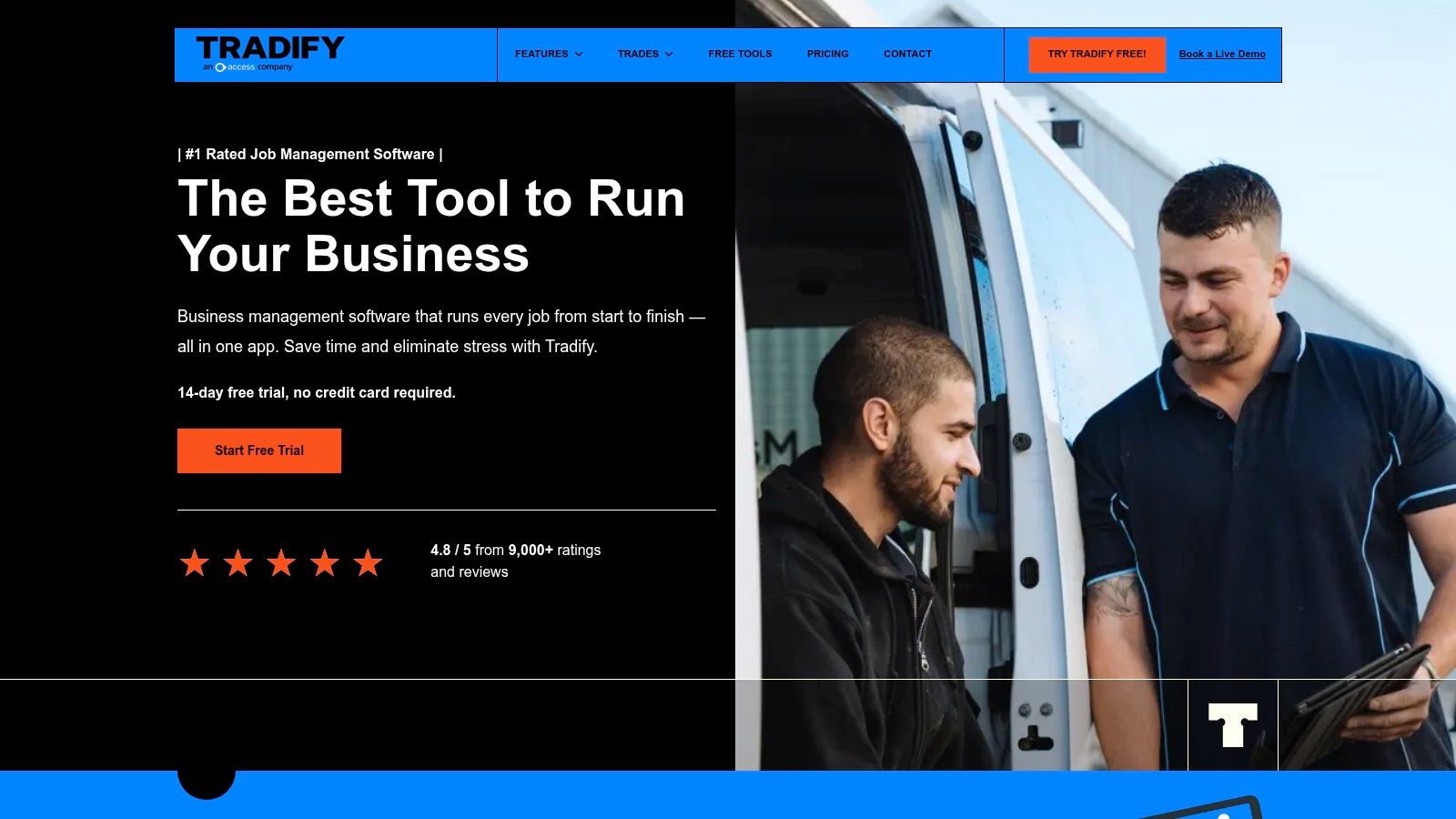
Tradify is another solid option for smaller contractors who need job management without software bloat. It’s light enough to set up quickly but still covers quoting, scheduling, timesheets, materials, job tracking, and invoicing.
That balance is why it stays popular with trades. You don’t need a full office team to make use of it.
Where Tradify makes sense
Tradify works best when the owner is still wearing several hats. Estimator, scheduler, site lead, and debt chaser. If that sounds familiar, a clean interface matters more than a huge feature set.
Its newer AI-assisted tools for processing bills and speeding up quote work are useful because they remove repetitive admin from the day rather than adding another layer of process. For many electricians, that’s the difference between an app getting used and getting ignored.
A few honest trade-offs:
- Strong point: Quick setup and sensible day-to-day workflow for small shops.
- Less strong: Larger project controls and advanced automation are limited.
- Best use case: Service and small project work where simplicity matters more than depth.
Tradify isn’t trying to be the system for a large, multi-branch contractor. It’s trying to help small trade businesses stay on top of the basics. In that lane, it does the job well.
10. GrowTradie
Friday night, the jobs board is full, invoicing is behind, and the phone is quiet for next week. That usually means one thing. The business is running the work in front of you, but nothing is feeding the pipeline after that.
GrowTradie sits in a different category from the other apps on this list. It is a marketing and visibility tool, not a job management platform. That distinction matters because many electrical businesses do not have an operations problem first. They have a consistency problem. Good months come from referrals and repeat work. Slow months show up when no one has seen your business online for a while.
That gap gets missed in a lot of electrician app roundups. They focus on scheduling, quoting, invoicing, and technical reference tools. ServiceBox’s mobile app article for trades points to the same blind spot. Lead flow and local visibility often get treated as an afterthought, even though they directly affect how full the calendar stays.
Where GrowTradie makes sense
GrowTradie is best for solo sparkies and small crews that already have a workable system for jobs but do not post consistently enough to stay visible in their area. It handles the part that usually gets pushed to the bottom of the list. Creating service-specific content, keeping branding tidy, and posting often enough that local customers keep seeing your name.
That is the use case. Not replacing your field service software. Supporting it.
A few practical strengths:
- Best for: Solo operators and small electrical teams that need steadier local awareness without hiring a marketer.
- Clear benefit: Keeps your business active online while you are on-site, quoting, or chasing payments.
- Useful angle: Content is built around trade services and service areas, which is more relevant than generic small business posting.
- Low admin load: You do not need to write captions, design graphics, or remember to post at the end of a long day.
The trade-off is straightforward. This only makes sense if marketing is the bottleneck. If your problem is missed appointments, weak estimating, or poor job costing, one of the job management apps above will do more for you. If operations are under control and work is patchy because visibility is patchy, this fills a genuine gap.
There is also less public detail available on pricing and proof than with some bigger software brands, so this is the kind of tool to judge by demo and fit rather than a feature checklist alone.
For an electrical business that wants better lead flow without adding another office task, GrowTradie is the strongest pick in this list’s marketing category.
Top 10 Electrician Apps, Feature & Pricing Comparison
| Tool | Core features | UX & Quality (★) | Price & Value (💰) | Target audience (👥) | Unique selling points (✨) |
|---|---|---|---|---|---|
| ServiceTitan | Enterprise FSM: proposals, pricebook, dispatch, inventory, analytics | ★★★★☆ enterprise-grade, powerful dashboards | 💰 $$ (custom/higher cost) | 👥 Large residential & commercial crews (15+) | ✨ Purpose-built electrical workflows, deep analytics |
| Simpro | Estimating/takeoffs, scheduling, job costing, integrations | ★★★★☆ robust for mixed service + projects | 💰 $$ (quote-based) | 👥 Project-based & commercial contractors | ✨ Deep estimating, SPARX pre-builds to speed setup |
| Housecall Pro | Estimates, scheduling/dispatch, visual price book, review mgmt | ★★★★☆ fast learning curve, strong mobile UX | 💰 $ (tiers + add-ons) | 👥 Residential teams (3–15) | ✨ Quick setup, polished mobile experience |
| Jobber | Online booking, quotes, invoices, automations, QuickBooks | ★★★★☆ SMB-friendly, predictable UX | 💰 $–$ (transparent tiers) | 👥 Small–mid teams (1–15) | ✨ Clear pricing & simple operations |
| Workiz | Scheduling, estimates, integrated VoIP/text, AI tools | ★★★★☆ unified comms, modern features | 💰 $–$ (free Lite; higher tiers cost more) | 👥 Teams needing built-in phone/comms | ✨ Built-in phone/text + Reserve with Google |
| Service Fusion | Scheduling, invoicing, payments, ServiceCall.ai telephony | ★★★☆☆ practical, mixed reviews on support | 💰 $ (unlimited users per tier) | 👥 Shops with many part-time staff/subs | ✨ Unlimited users + Edge cash-back program |
| FieldPulse | Scheduling, estimates/invoices, SimplySend free app, GPS | ★★★★☆ strong onboarding & US support | 💰 $ (free SimplySend; full platform by quote) | 👥 Solo electricians & small teams testing digital ops | ✨ Free entry app + hands-on onboarding |
| Fergus | Digital job cards, quoting → invoicing, pricebook imports | ★★★★☆ trade-focused, easy setup | 💰 $ (clear monthly, no lock-in) | 👥 Small teams (1–5) | ✨ Simple trade workflows & supplier imports |
| Tradify | Quotes, scheduling, timesheets, materials tracking, SmartTools AI | ★★★★☆ high user ratings, quick to deploy | 💰 $ (clear pricing, 14‑day trial) | 👥 Solo operators & small crews (1–10) | ✨ SmartTools AI to speed bills & quoting |
| 🏆 GrowTradie | AI-created, professionally designed & auto-posted social content, local targeting | ★★★★★ time-saving, very easy setup for non-marketers | 💰 Contact for pricing (no public plans) | 👥 Time‑poor tradies (electricians, plumbers, carpenters) | ✨ Fully automated, trade‑specific content to convert visibility into enquiries |
Choosing the Right Tool to Power Your Business
The right app depends less on brand and more on the mess you’re trying to fix.
If jobs are slipping through the cracks, start with job management. If quotes are slow and inconsistent, prioritize a system with stronger estimating and pricebook control. If your office and field team keep missing each other, choose the platform that improves communication first. And if the actual issue is patchy lead flow, stop pretending another dispatch board will solve a visibility problem.
That’s why these apps for electricians need to be looked at by business type, not just feature count.
For solo operators, simpler tools usually win. Fergus, Tradify, Jobber, and a lighter FieldPulse setup all make sense when you need fast adoption and minimal admin overhead. They’re easier to learn, easier to price, and less likely to sit half-implemented while you’re still chasing jobs and payments yourself.
For small service crews, Housecall Pro, Jobber, Workiz, and Service Fusion are usually stronger contenders. They sit in the practical middle. Enough operational control to tighten up scheduling, quoting, invoicing, and communication, without forcing an enterprise rollout.
For mixed service and project businesses, Simpro starts to make more sense. It handles broader workflows better when your business spans reactive work, installs, and longer projects. ServiceTitan also belongs in the conversation if you need deeper control, tighter pricebook discipline, and stronger reporting across a growing team.
For larger electrical contractors, especially those with office staff, multiple crews, or more structured workflows, ServiceTitan is often the serious option. It’s heavier, but that weight comes with more operational reach. You just need the internal discipline to implement it properly.
There’s another decision most contractors leave too late. Visibility. Plenty of electrical businesses get their operations tighter, then wonder why the pipeline still feels inconsistent. Operational software helps you run work. It doesn’t automatically create trust in the local market. If your socials are dead, your reputation online looks stale even if your team is flat out on the tools. That’s the gap a platform like GrowTradie is meant to fill.
The smart move is to fix one bottleneck at a time. Don’t stack five new tools into the business at once. Pick the app that solves the biggest source of wasted time, lost margin, or missed work. Get that bedded in. Then add the next layer only when the team is ready.
That’s how good systems stick in electrical businesses. Not by buying the biggest software package. By choosing the right tool for the stage you’re at, and using it well enough that it changes the day-to-day.
If your biggest problem isn’t running jobs but staying visible enough to win the next ones, GrowTradie is worth a look. It’s built for tradies who want consistent local presence without writing posts, planning content, or trying to manage social media after hours. Set it up once, keep your business active online, and give local customers more chances to remember your name when they need an electrician.