
Some weeks the phone rings nonstop. Other weeks it goes quiet, and you can't tell whether demand slowed down or your marketing just isn't showing up where it should. That's where most HVAC owners get stuck. They try a boosted Facebook post, pay for a directory, maybe run a few ads, then wonder why nothing feels consistent.
Digital marketing for hvac shouldn't feel like gambling. It should work like a service process. Show up when people need help, make it easy to trust you, make it easy to call you, and follow up fast enough to win the job.
The shift online is already settled. 82% of HVAC companies consider digital marketing essential for their growth, with 60% of leads coming from online searches, according to Contractor2020's HVAC marketing insights. If you're still relying on referrals alone, you're leaving too much of your schedule to chance.
Table of Contents
- The End of Marketing Guesswork
- Your Digital Shopfront Mastering Local Search
- Stay Visible Year-Round A Simple Content Plan
- Pay for Speed A Practical Guide to Online Ads
- Build Unshakeable Trust Your Reputation and Review System
- Your Repeatable HVAC Marketing Calendar
The End of Marketing Guesswork
Most HVAC marketing fails for a simple reason. The business owner is trying random tactics without a system behind them. One month it's Facebook. Next month it's Google Ads. Then nothing happens for a while because work gets busy and marketing drops to the bottom of the list.
That stop-start pattern is what causes the feast-or-famine cycle. Not just the weather. Not just the economy. Inconsistent visibility creates inconsistent enquiries.
What actually works
A practical digital marketing for hvac setup does four things well:
- Gets you found: your business shows up when someone nearby needs help now
- Builds trust fast: reviews, photos, and clear service information do the heavy lifting
- Makes calling easy: tap-to-call numbers, clear service areas, simple pages
- Closes the gap after the lead comes in: someone responds quickly instead of hours later
You don't need a complicated funnel. You need a reliable chain from search to call to booked job.
Practical rule: If you can't tell which activity brought in the call, you're not running a system. You're hoping.
A lot of trades businesses spend money on things that feel like marketing but don't help the phone ring. Generic brand awareness campaigns, polished posts with no local relevance, and websites built to impress other contractors are common examples. Homeowners don't care how clever the campaign is. They care whether you look legitimate, available, and easy to reach.
Where owners lose money
The biggest leaks usually happen in plain sight:
- An incomplete business profile with outdated hours, weak photos, or missing services.
- A website that looks fine on desktop but is annoying on a phone.
- No steady posting rhythm, so the business looks inactive.
- Slow follow-up, which hands a ready-to-book customer to the next company.
None of those problems require a marketing degree to fix. They require a checklist and discipline.
The best HVAC marketing isn't flashy. It's visible, credible, and consistent.
That's the fundamental shift. Stop thinking about marketing as promotion. Start treating it like pipeline management. The same way you wouldn't leave a service call half-finished, you shouldn't leave your online presence half-maintained.
Your Digital Shopfront Mastering Local Search
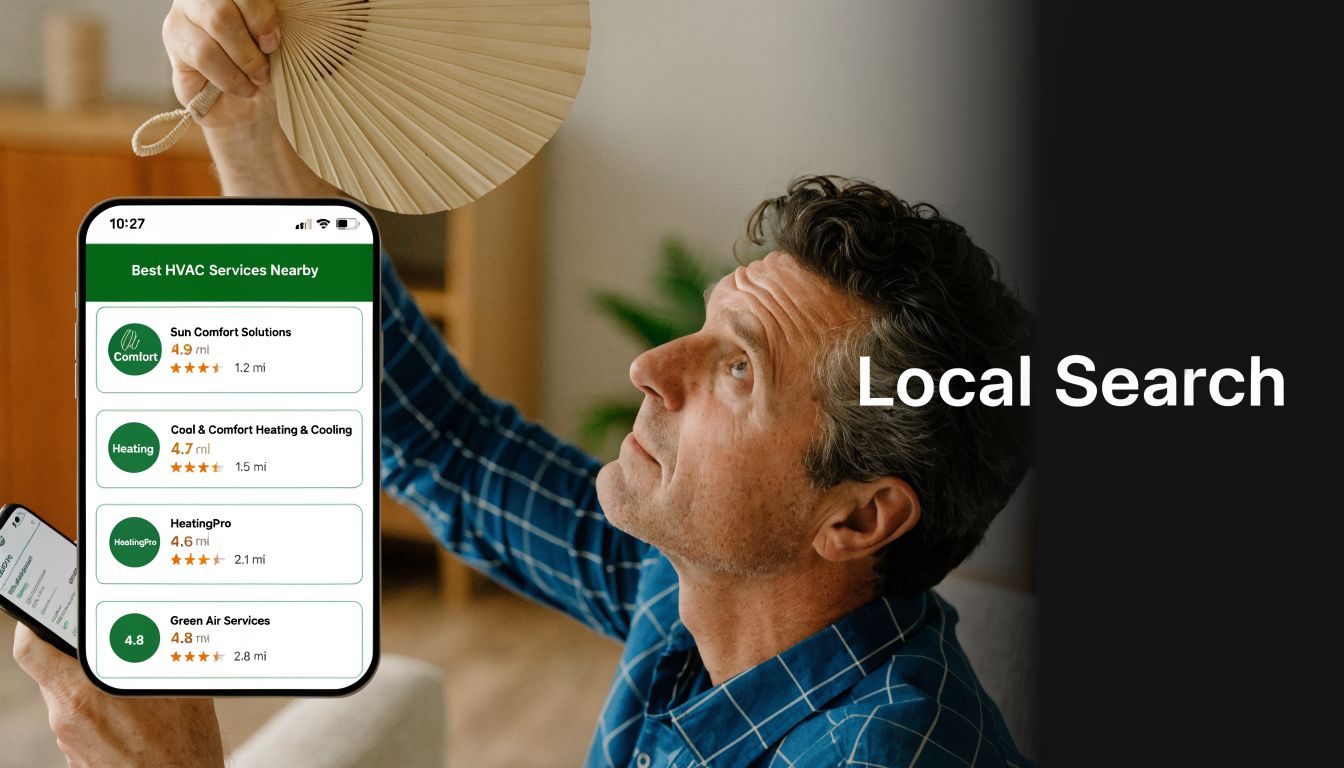
When someone's unit fails, they usually grab their phone before they ask a neighbour. Your digital shopfront has to do the same job your truck signage and uniform do in person. It needs to say you're real, local, trustworthy, and ready to help.
84% of consumers contact an HVAC company after searching online, according to Propellant's HVAC digital marketing blueprint. That means your online presence isn't a support tool anymore. It's part of your sales process.
Start with your Google Business Profile
If you only fix one thing this week, fix this.
Your Google Business Profile should include complete contact details, service areas, business hours, service categories, photos of your real team, vehicles, and recent jobs. Skip stock images. Real photos beat polished fake ones every time because they prove you're an actual local operator.
Use the business description to say what you do, where you work, and what kinds of jobs you handle. Keep it plain. Homeowners want clarity, not slogans.
A strong setup usually includes:
- Accurate basics: phone number, hours, service area, and business name matching what customers see elsewhere
- Real job photos: installs, repairs, branded vans, team members, and finished work
- Service detail: clear mentions of repairs, installs, maintenance, emergency work, and the systems you handle
- Review activity: recent customer feedback and thoughtful replies
If you want a deeper breakdown of local visibility basics for trade businesses, this guide on local search visibility for contractors is useful.
Build a website that gets calls
Most HVAC websites try to say everything at once. That usually means they say nothing clearly.
A good site doesn't need to be fancy. It needs to answer the questions running through a homeowner's head:
- Are these people local?
- Do they do this exact kind of work?
- Can I trust them in my home?
- How do I call them right now?
That means every core page should have a visible phone number, clear service list, suburbs or cities served, genuine reviews or testimonials, and photos that reflect the kind of jobs you take on.
What to keep and what to remove
Keep the site simple enough that someone standing in a hot living room can act fast.
| Keep | Remove |
|---|---|
| Clear call buttons | Long welcome paragraphs |
| Service-specific pages | Generic marketing language |
| Real team and job photos | Stock lifestyle images |
| Trust signals like reviews and licences | Cluttered menus |
| Easy mobile layout | Tiny text and hard-to-tap buttons |
A homeowner in a hurry doesn't want to explore your brand. They want enough confidence to call.
The trade-off is simple. A brochure-style website may look polished, but a direct website books more work. In digital marketing for hvac, clarity beats creativity.
Stay Visible Year-Round A Simple Content Plan
Most HVAC businesses don't have a lead problem all year. They have a consistency problem. They show up when things are busy, disappear when work piles up, then wonder why they're forgotten when the next season turns.
A steady content plan fixes that. Not because every post creates a lead. It works because consistent visibility makes your business familiar before someone needs to book.
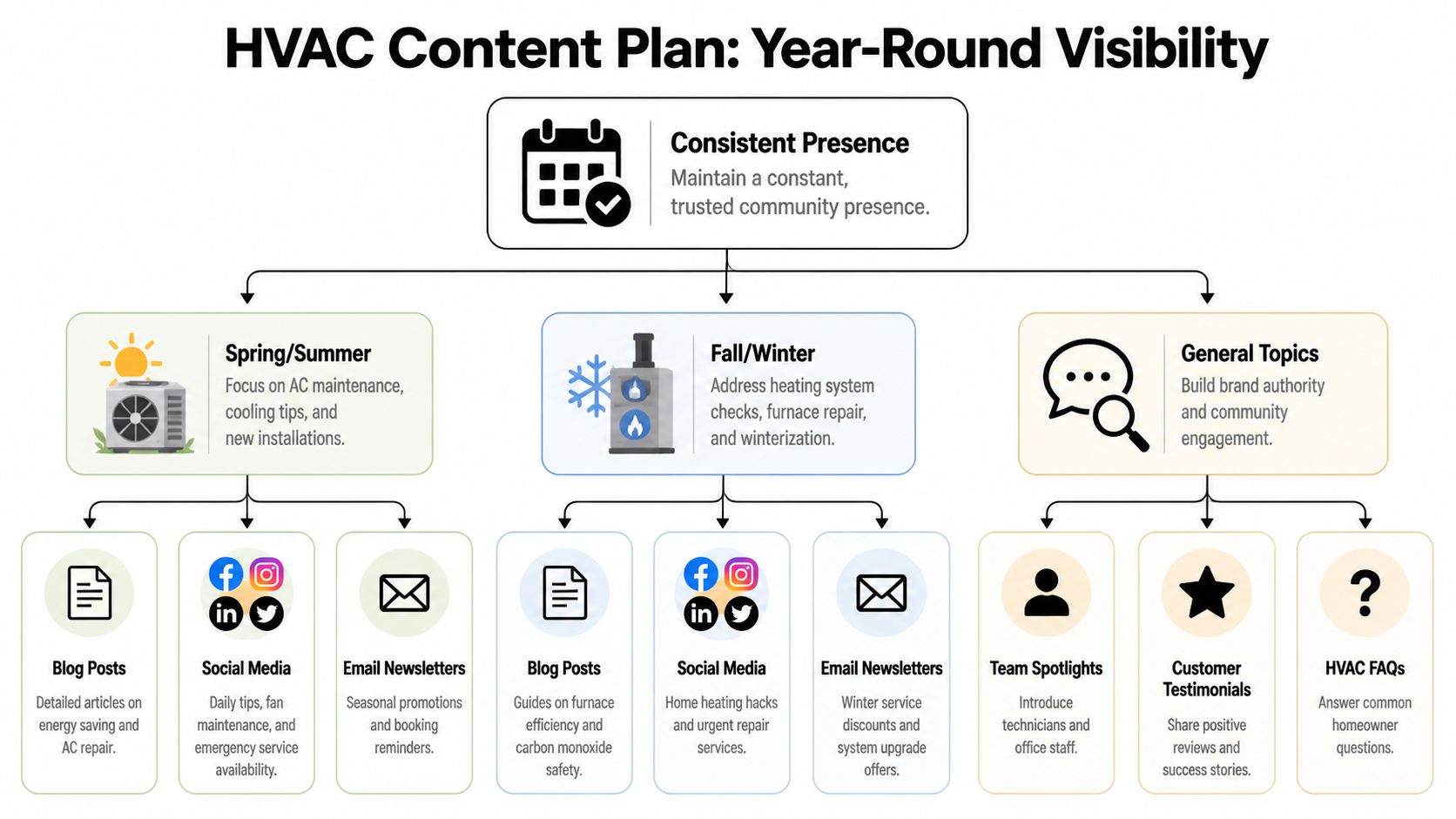
Most digital marketing advice for HVAC fails to give concrete guidance on structuring content calendars around heating, cooling, and maintenance seasons, according to Media Spearhead's review of HVAC digital marketing gaps. That's why many contractors either post randomly or stop altogether.
Consistency beats clever content
You do not need viral videos. You do not need daily filming from every job. You need a repeatable mix of useful, local, believable content.
That usually means:
- Job photos: before and after installs, unit swaps, diagnostics, ducting work, control upgrades
- Customer proof: screenshots of kind feedback, short testimonials, completed project highlights
- Simple advice: filter reminders, seasonal prep tips, signs a system needs attention
- Team presence: technician spotlights, vans on site, local suburb jobs, community involvement
The reason this works is simple. Homeowners hire names they recognise. If they've seen your business appear regularly with real work and useful tips, you start the race ahead of a competitor they've never heard of.
A simple seasonal posting rhythm
The easiest way to stay relevant is to match your content to what homeowners are already thinking about.
Spring
Use spring to talk about pre-summer servicing, system checks, airflow issues, and getting ahead of breakdowns. This is also the right time to post reminders that people don't want to discover a cooling problem on the first hot day.
Summer
Summer content should focus on urgent repairs, performance issues, running costs, and availability. Keep it practical. Homeowners care about relief, response time, and whether a replacement is worth discussing.
Autumn
Autumn is the handover season. Shift the conversation toward heating checks, worn components, unusual noises, and preparing for colder weather before it becomes urgent.
Winter
Winter content works best when it addresses comfort, indoor air issues, heating reliability, and repair readiness. This is also a good time to highlight longer-term upgrades and maintenance plans.
Then keep a small stream of non-seasonal content running all year:
- FAQs: common customer questions you answer on site
- Proof posts: recent jobs completed in known local areas
- Review highlights: customer comments that show professionalism and responsiveness
For trade businesses that want a simpler way to keep that rhythm going, this guide on content marketing for local businesses explains the practical side well.
If your profiles go quiet for months, customers notice. Silence reads like inactivity.
What good HVAC content looks like
Good content is plain and specific. It sounds like a competent contractor, not a marketing department.
Examples that work:
- A photo of an outdoor unit replacement with a short note about what failed and what was installed
- A quick seasonal reminder about booking servicing before the weather turns
- A customer testimonial with one sentence about the job completed
- A technician photo on site with the suburb tagged and the service listed
What doesn't work:
- Motivational quotes
- Generic holiday graphics with no connection to your services
- Over-produced promo videos with no clear local relevance
- Posting heavily for one week, then disappearing for two months
The trade-off here is time. Doing content manually often falls apart because you're busy doing real work. That's why the best content plan is the one that keeps moving even when you're under the pump.
Pay for Speed A Practical Guide to Online Ads
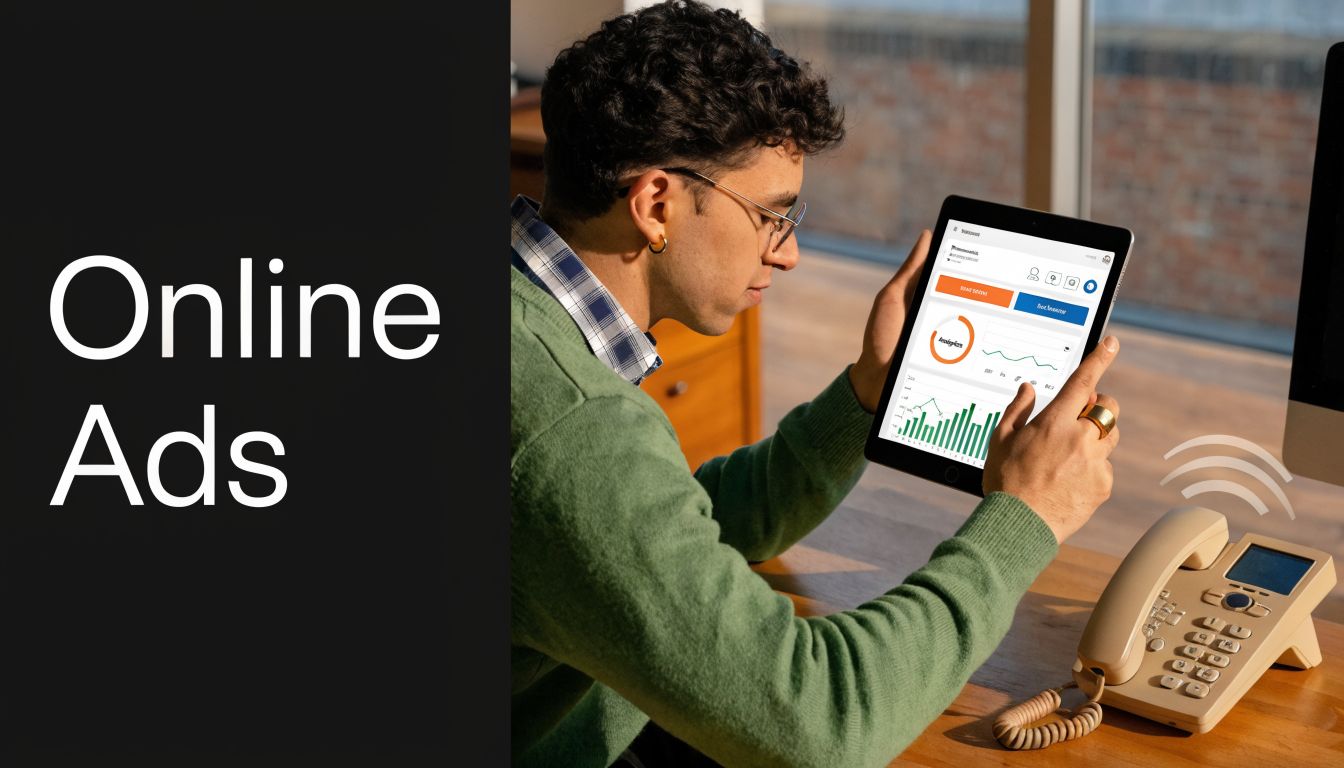
Paid ads exist for one reason. Speed. If your organic visibility and content build trust over time, ads help you get in front of someone who's ready to call now.
The mistake most contractors make is treating every ad platform as if it does the same job. It doesn't. One is for urgent demand. One is for targeted search intent. One is for staying familiar in the local market.
Use the right ad for the right job
Google Local Services Ads are often the best starting point for HVAC businesses that need leads quickly. Nopio's HVAC marketing guide notes that Google Local Service Ads typically cost $50 to $150 per lead and often start showing results within the first two weeks.
That makes them useful when your priority is booked calls, not website traffic. You appear where people are already looking for help, and the format is built around direct contact.
Google Search Ads suit businesses that want tighter control over service-specific demand. If someone searches for emergency repair, replacement, or maintenance in your area, search ads let you match the message to the service. The catch is that poor setup burns money fast. Sending every click to a generic homepage is one of the most common mistakes.
Facebook and Instagram Ads do a different job. They usually aren't the strongest option for urgent breakdown work, but they can help keep your name in front of homeowners with project photos, local offers, and seasonal reminders.
How to avoid wasting budget
The fastest way to waste ad spend is broad targeting and weak follow-through.
A practical setup usually looks like this:
- Tight service areas: show ads only where you want work
- Service-specific landing pages: match the ad to the exact job type
- Clear phone-first design: don't make urgent leads fill out long forms
- Lead tracking by channel: know which platform creates booked jobs, not just clicks
Here's a useful walkthrough on ad strategy and lead generation from another trade context: lead generation ideas for service businesses. The trade principles carry across well.
This short video gives a useful overview of how paid visibility fits into the broader picture:
Run ads for intent, not ego. If the campaign isn't producing calls, it isn't doing its job.
The trade-off with ads is straightforward. They can bring leads fast, but only if the rest of your system is ready. If your profile looks weak, your website is clunky, or nobody answers quickly, paid traffic just exposes the cracks faster.
Build Unshakeable Trust Your Reputation and Review System
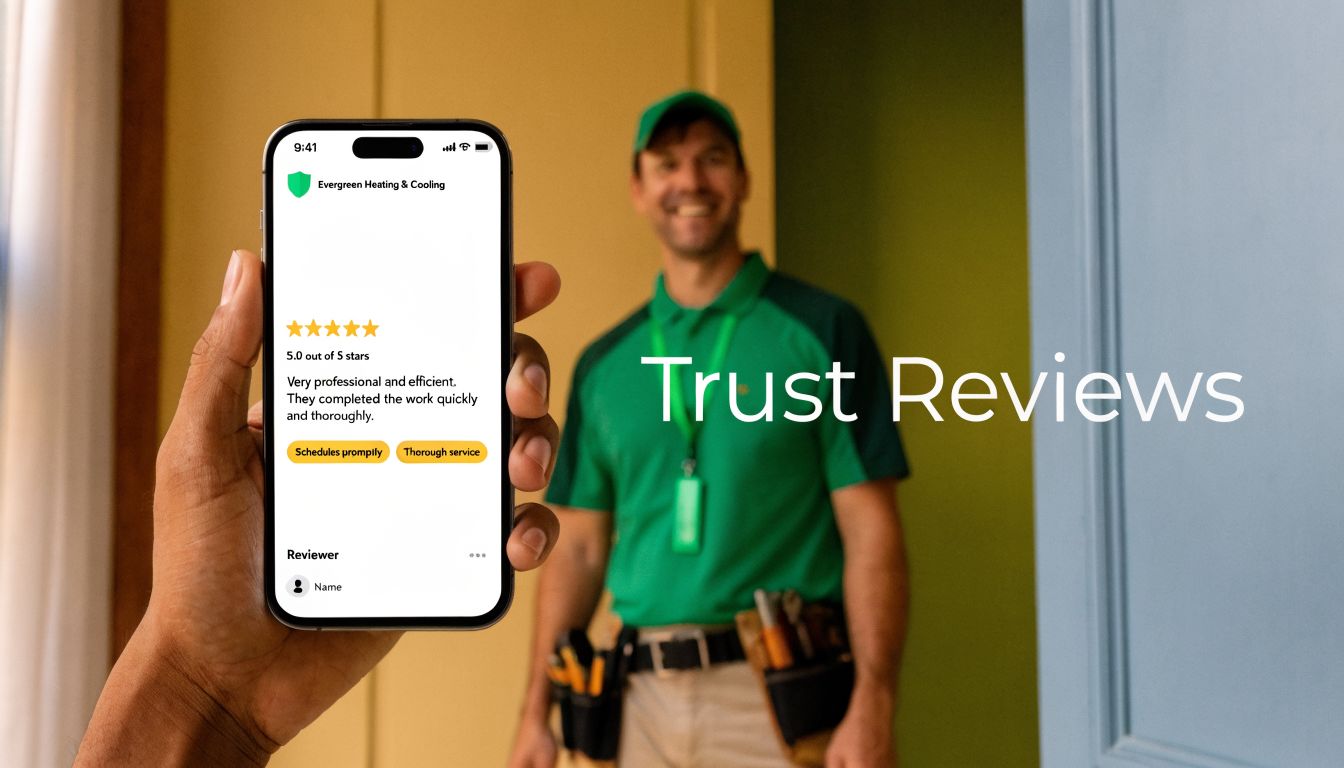
Reputation closes work. A homeowner may discover you through search or ads, but reviews often decide whether they call you or the next company on the list.
That means reviews can't be treated like a nice extra. They need to be part of your operating process, same as quoting, invoicing, and follow-up.
Ask for reviews while the job is still fresh
The best time to ask is right after a successful job, when the customer is relieved, happy, and still thinking about the experience. If you leave it too long, the moment passes and the request gets ignored.
Keep the process simple:
- Finish the job well: no review system can rescue poor service
- Ask directly: a quick verbal ask works if the customer is clearly pleased
- Send the link by text or email: remove friction
- Point them to Google first: that's where most local buyers will see it
- Reply to every review: thank positive reviewers and handle criticism professionally
A good review request doesn't sound scripted. It sounds like this: if you're happy with the work, would you mind leaving us a quick Google review? I'll text you the link.
Fast response wins booked work
Your review profile builds trust before contact. Your response speed builds trust after contact.
PowerChord's HVAC marketing guide highlights how critical response speed is. One HVAC contractor achieved a 48% close rate by improving their Google response rate from 75% to 96%.
That result matters because it reflects what happens in the field every day. A homeowner with no heating or cooling often contacts multiple businesses. If you reply late, you can lose the job even when your reviews are better.
The lead is hottest when it first comes in. After that, you're racing the next contractor.
A simple reputation system
If you want this to run consistently, build it into your workflow.
| Step | Action | Why it matters |
|---|---|---|
| Job complete | Ask if the customer is happy | Opens the door naturally |
| Same day | Send review link by text | Makes the action easy |
| Next day | Check for new feedback | Keeps momentum up |
| Ongoing | Reply to every review | Shows professionalism publicly |
For negative feedback, don't argue in public. Acknowledge the issue, keep your tone calm, and move the conversation offline. Future customers read those responses closely. They aren't just judging the unhappy reviewer. They're judging how you handle pressure.
Your Repeatable HVAC Marketing Calendar
Most owners don't need more tactics. They need a rhythm they can maintain. The businesses that stay visible year-round usually aren't doing anything magical. They're just doing the basics every week without letting them slide.
Use this as a practical baseline.
| Frequency | Task | Goal |
|---|---|---|
| Weekly | Check your Google Business Profile for accuracy, new questions, and recent photos | Keep your shopfront current |
| Weekly | Post a recent job, customer proof, or seasonal tip | Stay visible and familiar |
| Weekly | Review incoming leads and note what turned into booked work | Spot what's driving real enquiries |
| After each completed job | Ask for a review and send the link | Build trust steadily |
| Monthly | Refresh service pages, offers, and core business details | Keep your message current |
| Monthly | Review ad spend and pause anything that isn't creating calls | Cut waste |
| Monthly | Plan next month's seasonal topics before demand shifts | Stay ahead of the season |
A schedule like this works because it's realistic. You can keep it going even when you're flat out. That's the point. Digital marketing for hvac should support the business, not become another full-time job inside it.
If you're consistent with visibility, clear with your offer, and quick when enquiries come in, you'll put yourself in a much stronger position than the contractor who only thinks about marketing when the diary looks thin.
GrowTradie helps trade businesses stay visible without having to write posts, design graphics, or remember to publish anything between jobs. If you want a simpler way to keep your HVAC business active online and turn steady visibility into more enquiries, take a look at GrowTradie.