
Some weeks the phone won't stop. Other weeks you finish a job, look at the schedule, and realize the next solid booking isn't locked in yet. That's where most plumbers get frustrated with marketing. Referrals are great, but you can't control when they arrive. Random boosted posts might get attention, but attention doesn't always turn into booked work.
Plumbing PPC marketing is different because it targets people who already need a plumber and are actively looking. The job isn't to make strangers aware that plumbing exists. The job is to show up when someone's water heater fails, a pipe leaks, or a drain backs up and they want help now.
That matters in a huge market. The U.S. plumbing industry is projected to reach $169.8 billion by 2025, and plumbing ads have a 15.61% conversion rate, one of the highest in home services, according to plumber marketing statistics compiled here. For a plumber, that means paid search isn't just ad spend. It's a direct route to calls, estimates, and jobs.
Table of Contents
- Why Your Current Marketing Isn't Getting Consistent Calls
- The Pre-Launch Blueprint for Your Plumbing Ads
- Building Your Google Ads Campaign for Local Leads
- Your Conversion Engine Landing Pages and Call Tracking
- How to Optimize for Profit and Eliminate Wasted Spend
- Conclusion From Ad Spend to Predictable Jobs
Why Your Current Marketing Isn't Getting Consistent Calls
Most inconsistent lead flow comes down to one problem. You're visible at the wrong times, to the wrong people, or with the wrong message.
A homeowner with an overflowing toilet doesn't want to browse around for twenty minutes. They search, scan, and call. If your marketing depends on someone remembering a yard sign they saw last month or scrolling past a generic post while half-paying attention, you lose urgent work to the plumber who shows up right then.
That's why so many plumbers feel stuck in feast or famine. They spend money, but not in a way that's tied to immediate demand. A campaign can look busy on paper and still fail where it matters most. The phone doesn't ring with local, qualified jobs.
Practical rule: If your marketing isn't putting you in front of people at the moment they need service, it won't produce consistent call volume.
PPC gives you more control than most plumbers realize. You choose the service, the area, the time of day, and the message. You can put emergency services in front of urgent searches, keep routine work separate, and stop paying for people outside your service zone.
That control matters because plumbing isn't one type of job. A late-night burst pipe is different from a planned water heater replacement. The search terms are different, the urgency is different, and the value of the call is different. Good plumbing PPC marketing respects that instead of dumping every service into one campaign and hoping for the best.
The other reason PPC works for plumbers is simple. People searching for a plumber are often ready to act. They don't need nurturing from scratch. They need confidence that you'll answer, show up, and solve the problem.
The Pre-Launch Blueprint for Your Plumbing Ads
A plumber in a 20-mile service area can burn through a week's budget in a day if the campaign goes live without clear boundaries. I see it all the time. One account targets every service, every town, and every search variation. The result is predictable. Expensive clicks, weak calls, and no clear read on what is producing booked jobs.
Pre-launch work decides whether PPC becomes a lead source or a drain on cash.
Start by choosing the jobs you want more of. That means looking at ticket size, close rate, crew capacity, and how fast you can respond. Emergency repair, drain cleaning, leak detection, water heater work, and commercial service calls do not behave the same way in Google Ads. They need different budgets, different keywords, and different ads.
Analysts at Plumbing Webmasters found that home services search ads average a 6.37% click-through rate, and plumbing averages a $66.02 cost per lead. Useful benchmark. It shows why broad targeting gets expensive fast. If each lead costs real money, every weak search term and every wrong location chips away at margin.

What a workable starting budget looks like
Set budget based on service demand and your ability to answer the phone. A solo plumber usually does better with one tightly controlled emergency campaign and one core service campaign than with six small campaigns starving for clicks. A larger shop with office staff and open schedule can cover more services and more suburbs without wasting spend.
For many residential plumbing accounts, $30 a day is enough to test one high-intent service line in a defined area. Commercial campaigns often need more because the clicks cost more and the search volume is less forgiving. Monthly, many plumbers can start learning with a budget in the $1,000 to $2,000 range, then increase once call quality and booked revenue are proven.
Capacity comes first. If calls are going unanswered at lunch, after hours, or on weekends, buying more traffic will not fix the problem.
The keyword list that brings job-ready searches
Keyword planning for plumbers should look like a dispatch board. Group searches by the type of job you want to win, not by how your website menu is organized.
Start with terms that show clear buying intent:
- emergency plumber near me
- plumber open now
- drain cleaning [city]
- water heater repair [city]
- leak repair plumber
- sewer line repair [city]
- commercial plumber [city]
These searches usually come from people who need service, not people doing research.
Use phrase match and exact match first. That keeps the search terms close to the jobs you take. Broad match can help later, but only after the account has enough conversion data and a solid negative keyword list. Until then, it tends to pull in junk traffic like parts searches, DIY queries, salary searches, and people outside your service scope.
A simple keyword plan should include four buckets:
- Emergency: urgent, high call intent, often worth higher bids
- Core residential services: drain, leak, toilet, water heater, sewer
- Commercial intent: office, restaurant, facility, property manager
- Negative keywords: jobs, training, school, supply, parts, free, DIY
If you want more examples of service-led lead generation, this guide on plumber leads for local service businesses is worth reviewing.
Sample Plumbing PPC Keyword List
| Keyword Type | Example Keyword | Match Type | Typical Intent |
|---|---|---|---|
| Emergency | "emergency plumber near me" | Phrase match | Immediate call |
| Emergency | [24 hour plumber] | Exact match | Urgent after-hours service |
| Drain service | "drain cleaning [city]" | Phrase match | Fast service request |
| Leak repair | [leak repair plumber] | Exact match | Problem-specific booking |
| Water heater | "water heater repair [city]" | Phrase match | High-intent service search |
| Residential | "home plumber [city]" | Phrase match | General local service |
| Commercial | "commercial plumber [city]" | Phrase match | Business or property manager enquiry |
| Avoid | plumbing jobs | Negative keyword | Employment search |
| Avoid | plumbing training | Negative keyword | Education intent |
| Avoid | DIY plumbing | Negative keyword | Non-customer research |
| Avoid | free plumbing advice | Negative keyword | Low commercial intent |
A good plumbing keyword list is usually narrower than owners expect. That is a good sign. Narrow targeting gives you cleaner search terms, better ad relevance, and more calls from people who need the work you want to sell.
Keep one more rule in place before launch. Separate emergency, general residential, and commercial services from day one. Each job type has different search behavior, different customer urgency, and different value per call. If you mix them together, you make budgeting, ad copy, and lead quality harder to control.
Building Your Google Ads Campaign for Local Leads
A plumber doesn't need a fancy account structure. You need a clean one. The best setup for local service demand is usually a Google Ads Search campaign built around calls and tightly grouped by service.
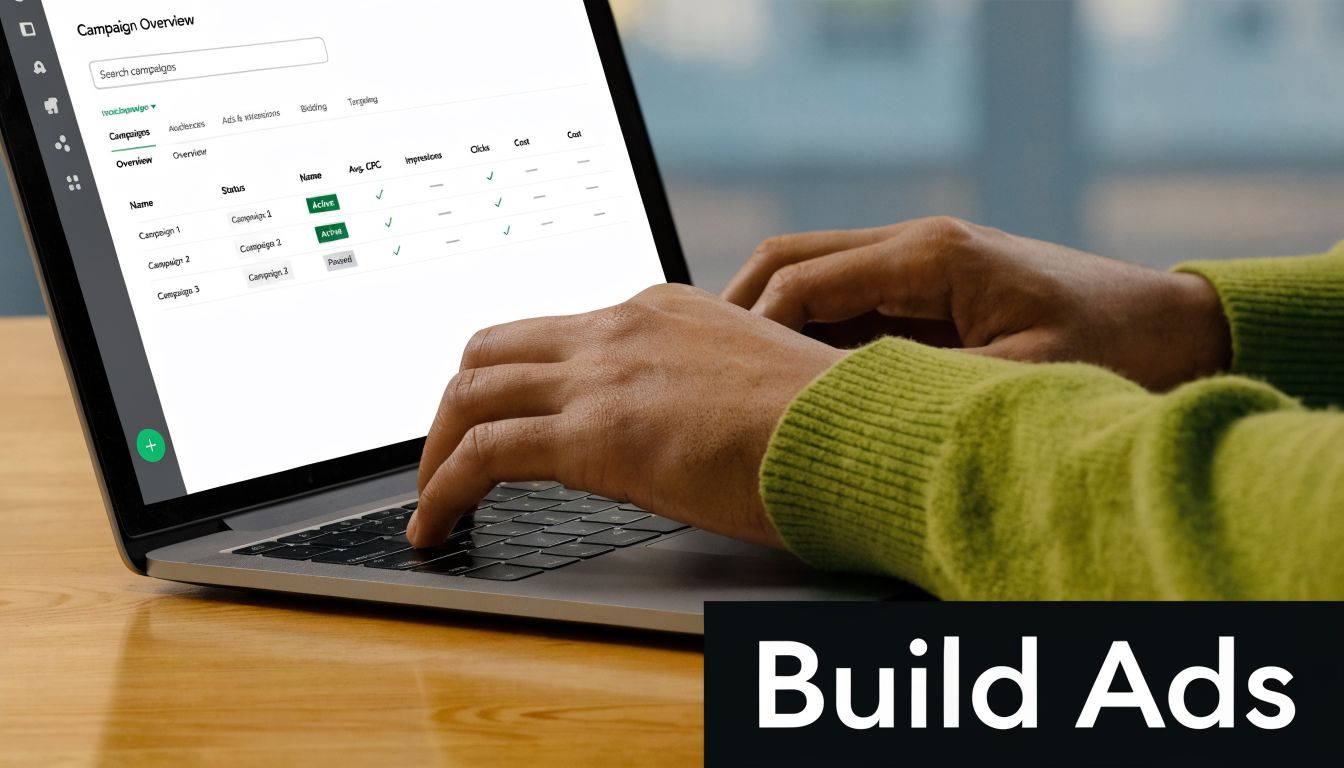
Use search campaigns built around services
Start with the campaign objective that matches how customers contact you. For many plumbing businesses, that means using calls as the primary conversion action. People with urgent plumbing issues usually don't want a long form. They want to tap and talk.
Inside that campaign, split ad groups by service. A simple starting structure looks like this:
- Emergency plumbing
- Drain cleaning
- Leak repair
- Water heater repair
- Toilet repair
- Commercial plumbing
Google rewards relevance. If someone searches for drain cleaning and your ad talks directly about drain clearing in their area, you'll usually get a better response than a generic ad about "all plumbing services."
Build campaigns like dispatch categories, not like a brochure. Each service should stand on its own.
For each ad group, send traffic to a page that matches the service. Don't send every click to your homepage. A drain issue should land on a drain page. A water heater search should land on a water heater page.
Ad copy that gets clicks from real homeowners
Good plumbing ads aren't clever. They're specific.
A few themes consistently work:
- speed
- locality
- trust
- clear service match
- direct call action
Use simple ad copy formulas like these:
Template 1
Headline 1: Emergency Plumber in [City]
Headline 2: Fast Local Service Available
Headline 3: Call Now for Immediate Help
Description: Burst pipe, blocked drain, or urgent leak. Local plumbing service with fast response and easy phone booking.
Template 2
Headline 1: Water Heater Repair [City]
Headline 2: Licensed Local Plumber
Headline 3: Book a Service Call Today
Description: Hot water problems fixed by a trusted local team. Call now to schedule service.
Template 3
Headline 1: Drain Cleaning in [City]
Headline 2: Clear Blocked Drains Fast
Headline 3: Speak With a Local Plumber
Description: Slow drains and backups handled quickly. Tap to call and book service.
The wording should match what the customer typed. If the keyword is "leak repair plumber," the ad should mention leak repair plainly. Don't make people guess whether you handle the job.
A short walkthrough helps if you want to see campaign mechanics on screen:
Campaign settings that protect your budget
A few settings make or break plumbing PPC marketing.
Location targeting comes first. Only target the areas you serve. If a suburb is outside your workable zone, exclude it. If one neighborhood gives you better jobs, prioritize it with stronger coverage.
Ad scheduling matters too. If you offer emergency service overnight, run ads when someone can answer. If you only take calls during office hours for routine work, schedule around that reality.
Extensions should be practical:
- Call extensions: for direct phone taps
- Location assets: for local trust
- Sitelinks: for specific services like emergency plumbing, water heaters, and leak repair
- Callouts: to highlight things like same-day availability, licensed technicians, or residential and commercial service
For bidding, keep it simple early. The point of launch is to gather clean data, not to outsmart the platform. Tight keywords, relevant ads, and service-aligned landing pages do more heavy lifting than complicated bidding tricks.
Watch search terms closely once the campaign is live. That's where you'll see whether Google is matching your ads to real plumbing jobs or to vague searches that eat budget.
Your Conversion Engine Landing Pages and Call Tracking
A homeowner searches "emergency plumber near me" at 9:40 p.m., taps your ad, lands on your page, and hesitates. The phone number is buried. The headline is vague. The page talks about your company history instead of the burst pipe in their wall. That click was expensive, and now it is gone.
For plumbing PPC marketing, the landing page has one job. Turn urgent local searches into calls and booked work. Good-looking pages do not help if they slow people down or make them hunt for the next step.
What your landing page must do fast
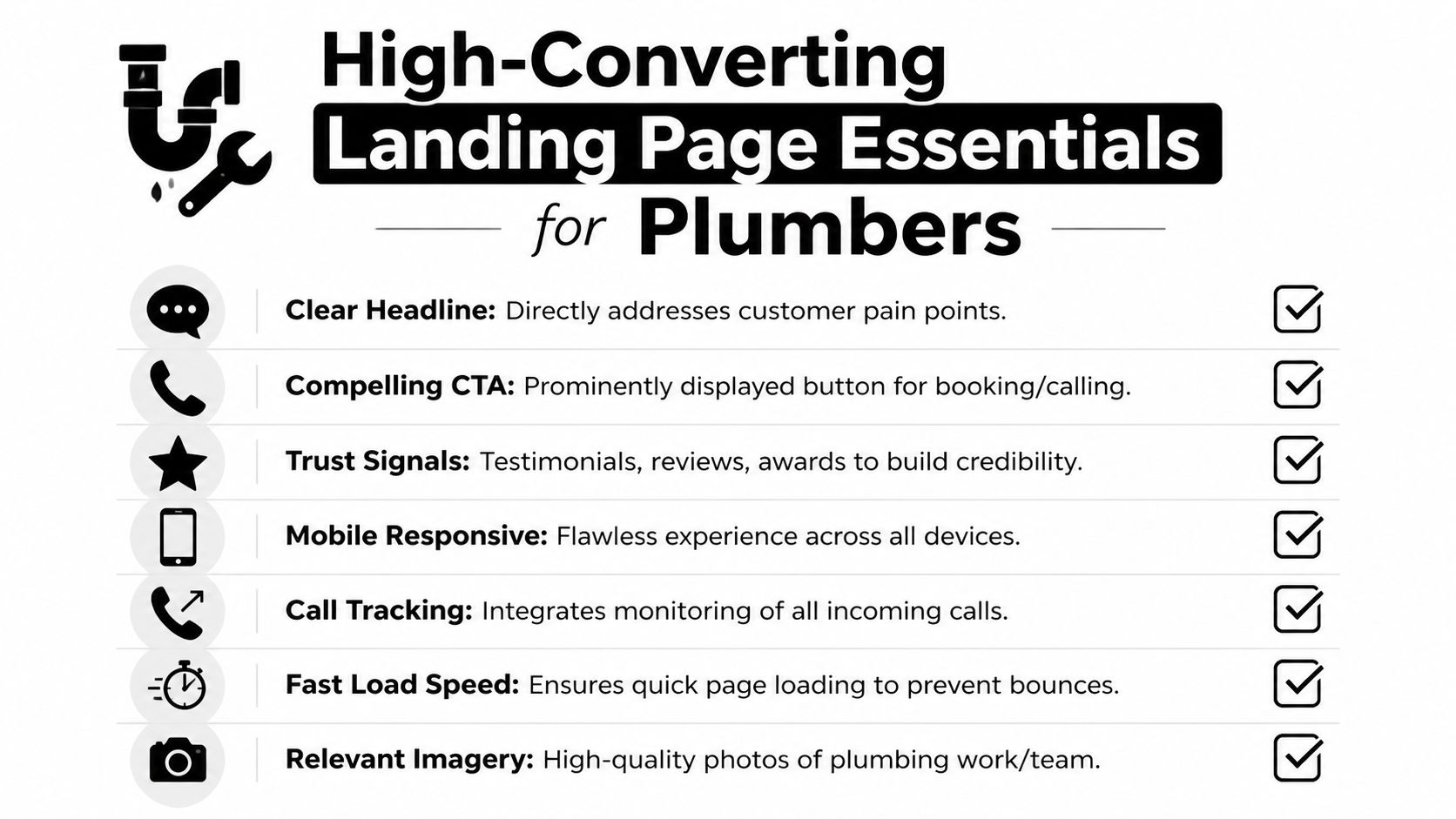
The pages that convert for plumbers are usually simple, specific, and built around the job the customer needs done now. A solid page includes:
- A headline that matches the ad: If the ad is for drain cleaning, the page needs to say drain cleaning right away.
- A phone number at the top: On mobile, make it tap-to-call and keep it visible.
- A short service summary: Tell people what you fix, where you work, and how fast you can respond.
- Trust signals: License details, insurance, guarantees, reviews, and real photos of your techs, trucks, or completed work.
- A short form: Useful for quote requests or next-day work, but never the main path for emergency jobs.
- A mobile-first layout: Large buttons, fast load time, readable text, no clutter.
- A single service focus: One page for water heater repair, another for leak detection, another for emergency plumbing. That usually beats sending all traffic to one generic page.
If someone has to scroll, pinch, or guess what to do next, the page is costing you calls.
Message match carries more weight than a lot of owners expect. If the ad says "same-day leak repair in Tampa," the landing page should repeat that offer, show the Tampa service area, and make the call button obvious. Sending that click to a broad homepage lowers response rates and makes lead costs harder to control.
Offline branding still plays a part here. If your trucks, invoices, and leave-behinds use the same name, number, and offer style as your ads, people trust the click faster. These plumber business card ideas for local trades are a good example of keeping contact details and branding consistent across every touchpoint.
Why call tracking is required
Without call tracking, you are flying blind. You might know Google Ads generated traffic, but you will not know which keyword produced a real customer, which ad led to a tire-kicker, or which page brought in the better jobs.
The setup plumbers need is Dynamic Number Insertion, or DNI. It swaps the phone number on the page based on the traffic source, so you can tie calls back to the keyword, ad, and landing page that produced them.
According to this guide to plumber PPC management and call attribution, average cost per lead is around $71.42 and conversion rates commonly fall between 5-10%. That cost is real. If tracking is missing, there is no clean way to tell which clicks are turning into revenue and which ones are just draining budget.
A useful call tracking setup should show:
- which keyword drove the call
- which ad variation triggered it
- which landing page the caller saw
- call duration
- call quality, based on recordings
- whether your staff booked the job or missed it
Many plumbing accounts disclose the underlying issue: the campaign may be fine, but calls are missed, the CSR answers weakly, or the office is not aligned with what the ad promised.
Call recordings help sort that out fast. You can hear whether the customer asked for the service you paid to promote, whether your team handled pricing questions well, and whether the call ended with an appointment. That is how you improve a plumbing PPC account to produce more booked jobs.
How to Optimize for Profit and Eliminate Wasted Spend
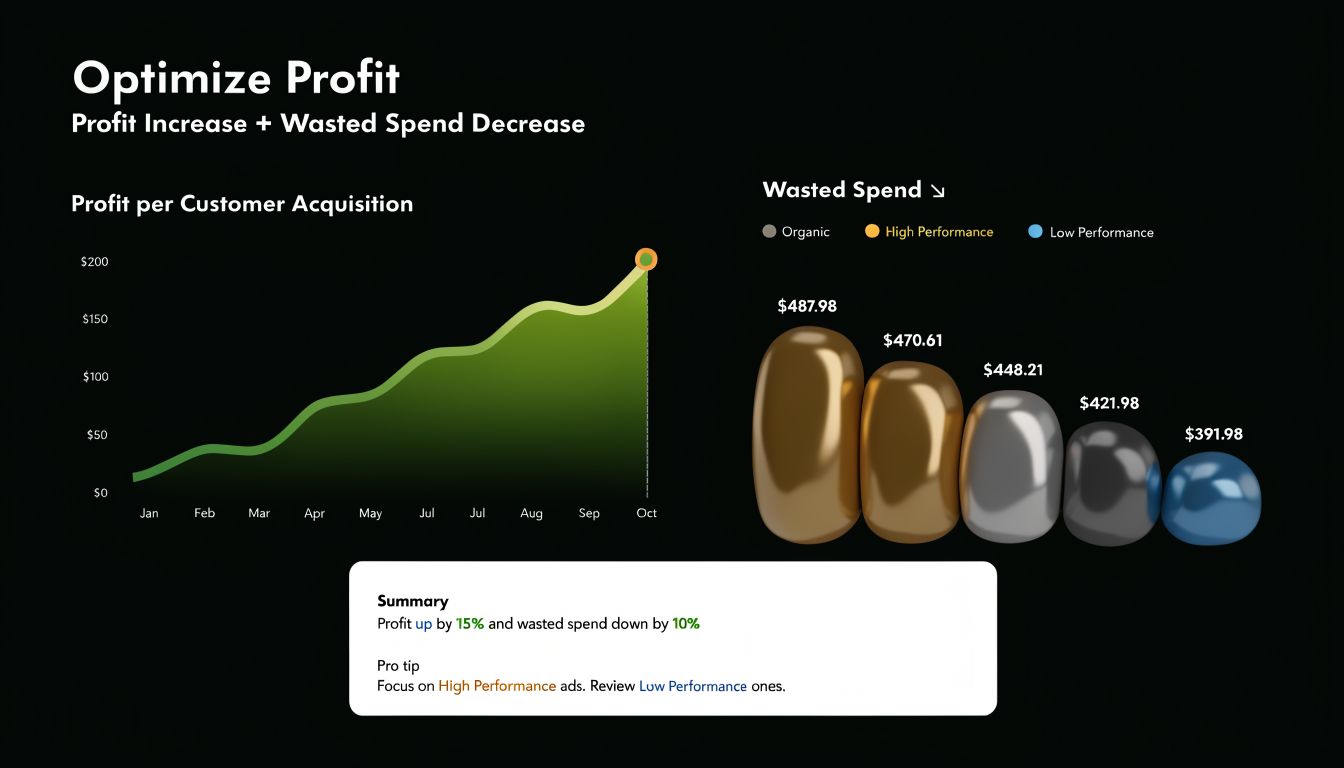
A plumbing account can look busy and still lose money. The phone rings, clicks come in, and the budget gets spent by noon, but too many of those calls come from outside your service area, from shoppers, or from jobs that are not worth the drive. Profit comes from tighter control than that.
Tight geography beats broad reach
For plumbers, local precision is more valuable than reach. Profitable campaigns usually run better with granular targeting like a 10-15 mile radius and "People in your location" filters, as outlined in this practical guide to plumbing PPC targeting.
That lines up with how plumbing jobs work. Every extra mile cuts into margin. It also increases the odds of late arrivals, weaker close rates, and angry callers who assume you can get there faster than you really can.
The farther you spread, the more waste shows up:
- calls from outside your service zone
- lower-value jobs that are not worth the truck time
- slower response times in areas you do not cover well
- budget spent before your best ZIP codes even enter the auction
Some areas deserve higher bids. If one cluster of suburbs produces better residential replacements, or a commercial corridor gives you stronger ticket sizes, bid up there and pull back elsewhere. Treating every part of your map the same is one of the fastest ways to flatten return.
Broad coverage often feels safer. In practice, it usually buys more weak traffic.
If you want to tighten paid reach and improve your organic footprint in the same service area, this guide to local SEO for contractors is worth reviewing.
Negative keywords stop bad clicks
Negative keywords do more to protect a plumbing budget than most bid tweaks. They block the searches that look related on the surface but rarely turn into booked work.
A starter negative list for plumbers often includes:
- jobs
- training
- school
- course
- DIY
- free
- parts
- supplies
- wholesale
- salary
Then check search term reports every week. If you keep seeing queries for apprenticeships, product troubleshooting, or people looking to buy fittings instead of hiring a plumber, add them to the list and move on.
Match types matter too. A loose keyword like "plumbing" can bring in a mess of low-intent searches. Service-specific terms usually produce cleaner traffic, especially when tied to real jobs like drain cleaning, water heater repair, leak detection, or sewer line repair.
Remarketing keeps missed visitors in play
Some plumbing jobs get booked on the first visit. Many do not. A homeowner may compare two companies, wait for a spouse to decide, or put off a non-urgent repair for a few days.
Remarketing helps you stay in front of those people without reopening the whole top of funnel. Keep it simple. Remind them you serve their area, answer fast, and handle the service they already viewed.
This tends to work better for considered services than true emergencies. Water heater replacement, fixture installs, repipes, and commercial work often involve more comparison shopping than an active leak under the sink.
Do not expect remarketing to fix a weak account. It works after the core pieces are already under control: tight geography, clean keyword targeting, strong ads, and a landing page built to get calls.
Conclusion From Ad Spend to Predictable Jobs
Plumbing PPC marketing works when you treat it like an operating system, not a gamble. The core pieces are straightforward. Tight service targeting, local-only coverage, strong ad-to-page relevance, and call tracking that shows what produced booked work.
What doesn't work is the sloppy version. One campaign for everything. Broad keywords. Generic ads. Traffic sent to a homepage. No idea which calls came from which search. That's how plumbers end up saying paid ads don't work, when the actual issue is that the account was never built to protect margin.
The upside is that a good PPC setup is controllable. You can see which services produce calls, which areas waste money, and which messages bring in better jobs. That makes decision-making easier. Spend more where profit exists. Cut what doesn't pull its weight.
One more thing matters after the click. While paid search is excellent for urgent demand, many plumbers struggle to stay visible between jobs. As noted in this discussion of plumbing PPC and long-term visibility, combining fast-acting PPC with low-effort, automated social posting helps build trust, improve credibility, and keep awareness active during slower periods. The strongest businesses don't just capture demand. They stay familiar in their local market so more clicks turn into calls and more first-time customers turn into repeat work.
If you want that steady visibility without having to plan posts after hours, GrowTradie helps trade businesses stay active online with AI-written, professionally designed social content that auto-posts for you. It's built for busy tradies who want more local trust and more enquiries without turning marketing into another full-time job.